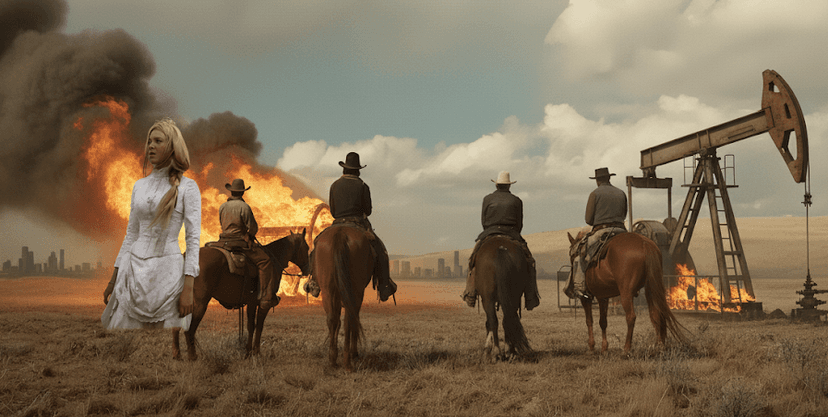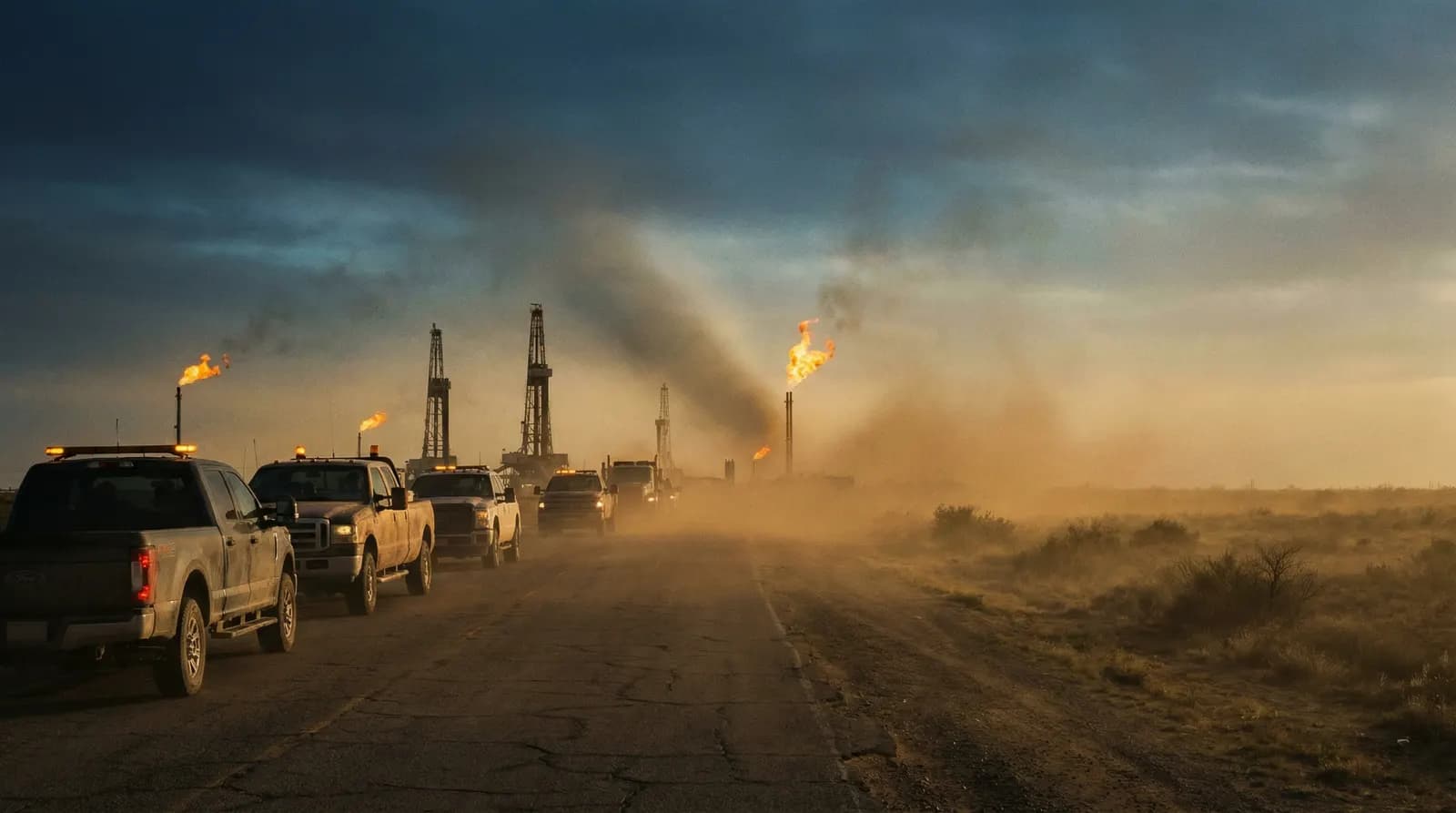
Paramount+ has indisputably become the centralized home of the "Sheridan-verse," a sprawling, interconnected television empire built on the bedrock of neon cowboys, rust-belt fixers, modern mobsters, and stoic anti-heroes. With the spectacular arrival of his West Texas oil epic, millions of fans are immediately seeking to understand exactly how Landman fits into the Taylor Sheridan universe timeline. Is it directly connected to Yellowstone? Does Tommy Norris exist in the exact same world as John Dutton? Here is an expansive, deep-cut analysis of the timeline, thematic connections, and highly anticipated cinematic crossovers.
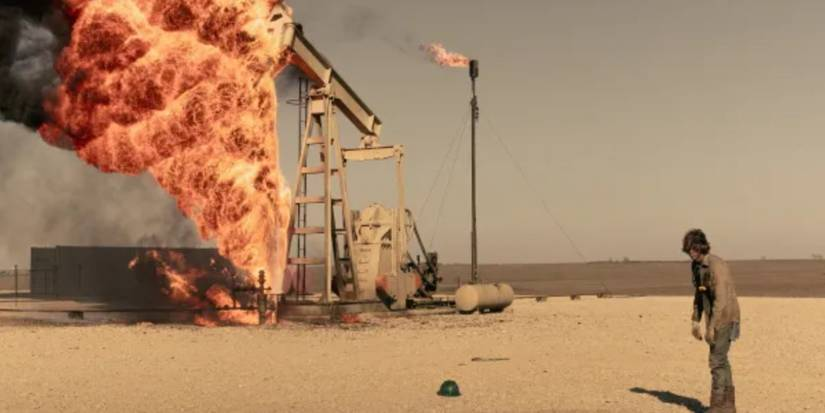
The Cinematic Timeline: Literal Plot Crossovers vs. Thematic Parallels
First, it is critically important to address the literal narrative canon. Unlike 1883 and 1923, which serve as direct, bloodline ancestral prequels inextricably linked to the core Yellowstone mythology, Landman is reportedly designed as a standalone narrative entity, heavily adapted from the hit Texas Monthly podcast "Boomtown." As of its debut season, there are no official, stated narrative crossovers where Rip Wheeler travels to an oil rig in Odessa, Texas, or Beth Dutton negotiates a hostile corporate takeover with Demi Moore's character.
However, Landman fits perfectly and deliberately into the Taylor Sheridan universe timeline chronologically. Occurring in present-day Texas (circa mid-2020s), it unfolds concurrently with the escalating events of Yellowstone Season 5 Part 2, Mayor of Kingstown, and Tulsa King. The lack of a direct plot crossover does not imply a lack of deep, systematic connection. In fact, Landman is currently serving as the absolute thematic culmination of Sheridan's "Modern Frontier" vision.
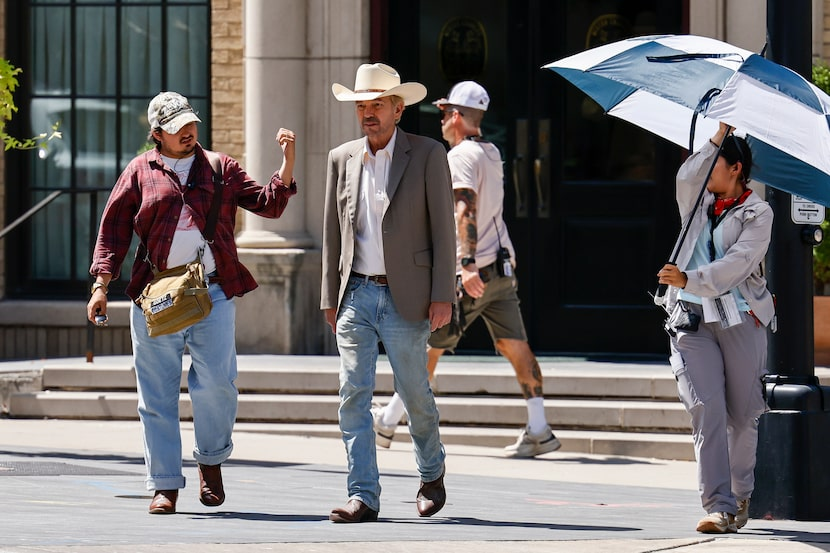
The Thematic Evolution: From Cowboys Protecting Land to Roughnecks Extracting It
To fundamentally understand how Landman fits into the Taylor Sheridan universe, one must look at Sheridan's relentless, multi-series obsession with land, violent labor, and complex socioeconomic legacy. Every single standalone show in the Sheridan-verse deeply examines specific occupational, often blue-collar, "tribes" struggling against overwhelming modern economic forces and corporatization.
- Yellowstone (The Preservation & The Past): John Dutton fights an endless, violent war to keep the pristine land untouched, furiously repelling real estate developers, massive corporations, indigenous claims, and modern progressive urbanization.
- Mayor of Kingstown (The Containment & The Forgotten): The McLusky family violently navigates the depressed, rust-belt economics of the prison-industrial complex—managing the disposable people that polite modern society wants entirely hidden from view.
- Landman (The Extraction & The Future): Tommy Norris completely and violently inverts the Dutton philosophy. Instead of desperately preserving the land for its rugged, untouched beauty, Norris's entire existence and paycheck are predicated on fracturing it, extracting its dark wealth, and feeding the utterly insatiable, morally bankrupt global energy market.
In this extremely specific way, Landman serves as the necessary, industrial mirror and foil to Yellowstone. It directly answers the cynical question Sheridan has implicitly posed for years across his scripts: What exactly happens to the romanticized American West when the horseback cowboy is ultimately replaced by the relentless, diesel-burning machinery of pure capitalism?
The "Anti-Hero of Industry" Archetype
In virtually every series, including both Yellowstone and Landman, Sheridan utilizes an identical, bulletproof protagonist structure: a grizzled, competent, heavily burdened middle-aged man tasked with managing an unwieldy, morally ambiguous empire on behalf of an older patriarch, a corrupt system, or a distant corporation. Billy Bob Thornton's brilliant portrayal of Tommy Norris shares the exact world-weary, slightly broken, tragically competent DNA of Kevin Costner's John Dutton or Jeremy Renner's Mike McLusky.
Deep Cuts, Shared Universes, and Texas Easter Eggs
Taylor Sheridan is famous among his dedicated fanbase for weaving incredibly subtle geographic, brand, and cultural easter eggs across his properties. Yellowstone frequently references the state of Texas as the ultimate, unforgiving proving ground for true cowboys (most notably sending the fan-favorite character Jimmy Hurdstrom to the completely real, legendary 6666 Ranch, which Taylor Sheridan now personally owns in real life).
Because the genuine 6666 Ranch is located in West Texas, well within driving distance of the Midland/Odessa Permian Basin setting of Landman, it creates a fascinating, inescapable geographical proximity. Throughout the Landman episodes, incredibly discerning viewers will routinely catch passing references to Fort Worth stockyards, massive cattle conglomerates, wealthy land barons, and brutal land disputes that perfectly echo the exact socioeconomic conflicts seen in his other Texas-based historical and modern projects.
The Four Corners of the Expansive Sheridan Empire
If you examine the expansive Taylor Sheridan universe timeline from a bird's eye view, one can map the interconnected thematic universe geographically across America:
- The North: Montana (Yellowstone, 1883, 1923) - The fading, brutal romance of the old frontier and the fight against modern encroachment.
- The East: Michigan (Mayor of Kingstown) / New York to Oklahoma (Tulsa King) - Urban decay, institutional failure, and the evolution of organized crime.
- The South/West: Texas (Landman / 6666s / Lioness) - The bleeding, violent edge of unbridled industrial capitalism, black ops, incredibly high stakes, and unimaginable wealth generation.
Will We Ever See a Direct Character Crossover?
Given the strictly enforced Taylor Sheridan universe timeline and his well-documented penchant for sudden, unexpected appearances (such as his own recurring cameos as the elite horse trainer Travis Wheatley in Yellowstone), a direct character crossover is not entirely impossible. The complex, highly legalistic world of land trusts, sprawling mineral rights, and billion-dollar corporate buyouts heavily featured in Landman maps absolutely perfectly onto the corporate enemies the Dutton family repeatedly faces in Montana.
While we may simply see background references—a news report on a TV screen, a shared brand of whiskey, or a passing mention of the Market Equities firm—the creative door remains wide open. Whether or not a formal, highly publicized crossover cameo ever occurs, Landman is utterly essential viewing for any dedicated fan of the Sheridan-verse.
It represents the absolute darkest, most heavily industrialized, and perhaps the most realistic iteration of his signature storytelling yet—permanently trading quarter horses for screaming pump jacks, sweeping valleys for desert oil patches, and ancestral bloodlines for incredibly lucrative oil lines.